

 English
 Español
Industrial-Grade PPH High-Strength Corrosion-Resistant Plastic Sheet is produced from polypropylene homopolymer (PPH) resin, offering excellent mechanical strength combined with outstanding resistance...


News
Home / News / Industry News / HDPE Sheets: Grades, Thickness Tolerance and Sourcing Guide for Industrial Buyers
HDPE Sheets: Grades, Thickness Tolerance and Sourcing Guide for Industrial Buyers
2026-10-09
Content
A 1220 x 2440 mm HDPE sheet that bows 3 mm along its length gets rejected at a playground fabricator or a marine fender shop long before wear ever becomes the issue.
Flatness, thickness drift and vague grade data cause more claims on high density polyethylene sheet orders than abrasion, impact or chemical attack. That is why the useful questions for a supplier are never about price per kilogram. They are about resin grade, extrusion line, tolerance band, surface finish and whether the sheet was produced for thermoforming, welding or machining.
HDPE sheet is a rigid thermoplastic panel extruded from high density polyethylene with a density between 0.94 and 0.96 g/cm3. It is supplied from roughly 1 mm to 50 mm thick, in natural, black, white or custom colors, and in monolayer, two-tone or three-layer sandwich builds.
Every order carries at least four specification layers at once: polymer grade, physical dimensions, surface finish and compliance paperwork. Miss one of them and the pallet comes back.
What an HDPE Sheet Is
An HDPE sheet is a sheet-extrusion product rather than a molded part, and that single fact explains most of its behavior, its price and its practical limits.
High density polyethylene crystallizes heavily as it cools, which gives the panel stiffness, low moisture uptake and good chemical resistance without fillers or reinforcement. The numbers that matter are consistent across serious suppliers:
Density 0.94-0.96 g/cm3
Service range -50 to 80 degrees C
Water uptake below 0.01 percent by weight
Melt index separates the grades inside that density range. Sheet extrusion relies on low melt index resin, typically under 0.5 g/10 min, because longer polymer chains resist stress cracking at welded seams and machined corners. Injection molding grades run far higher and will thermoform unevenly at 20 mm thickness, no matter how carefully the oven is set.
Additives change the sheet as much as the resin does. UV stabilizers carry outdoor panels through years of sun exposure, antistatic packages suit electronics handling, and flame retardant compounds open indoor applications where a plain sheet would not be allowed.
If a supplier cannot state the melt index and the density of the resin behind a sheet, thickness tolerance is the least of your risks.
Grades, Thickness and Tolerance
Thickness tolerance, not nominal thickness, decides whether an HDPE sheet fits a machined assembly or a welded tank wall.
| Thickness band | Working tolerance | Typical use |
| 1 to 3 mm | plus/minus 0.1 to 0.2 mm | Liners, cutting mats, gaskets, trays |
| 4 to 10 mm | plus/minus 0.2 to 0.5 mm | Playground panels, tank linings, guards |
| 12 to 25 mm | plus/minus 0.5 to 1.0 mm | Marine fenders, food contact boards, wear pads |
| 30 to 50 mm | plus/minus 2 to 5 percent | Wear strips, machined blocks, dock bumpers |
Panel formats cover most of the market: 1220 x 2440 mm is the common export size, 1000 x 2000 mm suits smaller machining shops, and 1500 x 3000 mm reduces seams on large tank linings. Flatness deserves equal attention in the purchase order. A 25 mm sheet that arrives inside the thickness window but with a visible bow will pull a welded assembly out of square as the material relaxes.
A 25 mm sheet quoted at plus/minus 5 percent can arrive 1.25 mm under nominal. On a machined fit, that is the difference between a part that seats and a part that is scrapped.
Grade selection, tolerance windows and supplier checklists are covered in more depth in our HDPE sheet grades, thickness and tolerance guide.
Applications by Market
HDPE sheet earns its place in playgrounds, marine structures, food handling areas and medical support equipment because it is tough, weldable, moisture proof and chemically inert.
The same resin serves all of these markets, but the build-up, the thickness and the paperwork change. Six application families account for most of the demand:
Playground and amusement equipment Slides, climbing panels, safety barriers, impact absorbing parts.
Marine and industrial corrosion Fender faces, dock bumpers, splash shields, pump bases.
Food contact and cutting boards Natural, non-pigmented stock with documented compliance.
Medical and instrument pads Non-porous surfaces that tolerate repeated disinfection.
Outdoor engineering Bollards, trench covers, machinery guards, signage backing.
Flame retardant interior use Dual-color panels for indoor equipment and enclosures.
Playground and amusement equipment builders specify colored HDPE panels for slides, climbing walls and safety barriers. The color runs through the full mass rather than sitting on the surface, so scuffs from years of traffic stay cosmetic.
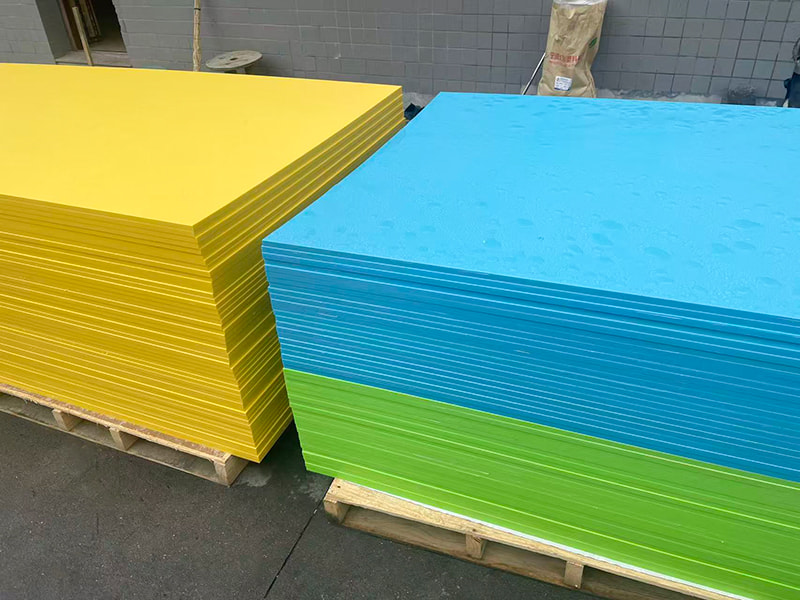 HDPE Monocolor Sheet for Playground and Outdoor ApplicationsUniform-color HDPE sheet for slides, climbing walls, and safety barriers, with color through full thickness and broad outdoor, marine, and cutting-board suitability.View Product →
Marine and industrial buyers use sandwich panels where corrosion resistance and thickness are both on the critical path. Fender faces, dock bumpers, splash shields and pump bases benefit from dense outer skins over a core that can still be welded on site.
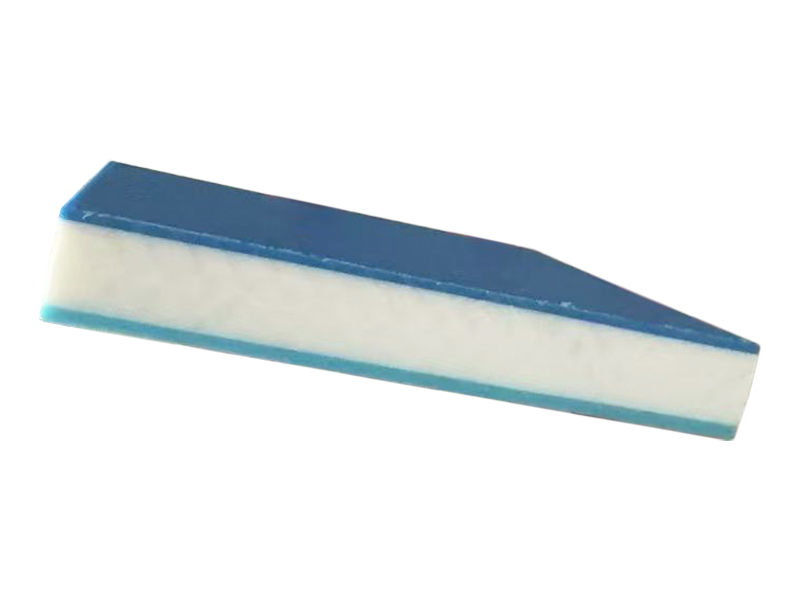 Marine and Industrial HDPE Anti-Corrosion Sandwich PanelHigh-strength HDPE sandwich panel for docks, fender faces, and chemical-exposure areas, offering corrosion, salt-spray, UV, and impact resistance.View Product →
Food processing and commercial kitchen operations ask for natural, uncolored sheet. Cutting boards, work surfaces and chute liners all need documented food contact compliance, and unpigmented stock makes that documentation far easier to certify.
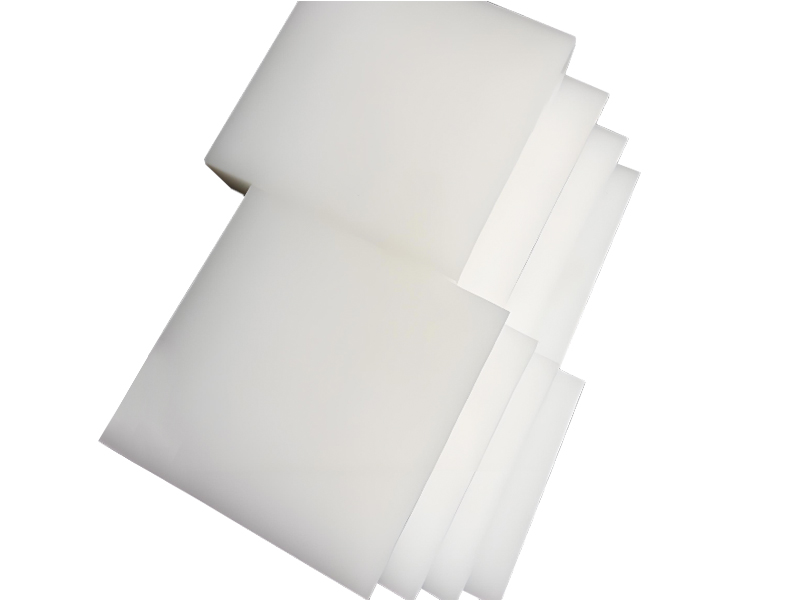 Food-Grade Natural HDPE Sheet for Cutting BoardsUndyed, non-toxic HDPE sheet for professional cutting boards and food-contact surfaces, with low porosity, easy cleaning, and resistance to knife marks.View Product →
The same resin can end up in a slide panel or a fender face. What changes is the build-up, the thickness and the compliance file.
Monolayer, Two-Tone and Tricolor Builds
Monolayer, two-tone and three-layer sandwich sheets differ in how color is placed, not in the polymer itself, so the choice is about appearance and wear visibility rather than chemical performance.
A monolayer sheet holds one color through the full thickness. Machined edges look uniform, which matters on visible assemblies, and end-of-life handling stays simple. A two-tone sheet places a contrasting skin over a core, so a cut edge reveals a line that turns scuffs and scratches into readable wear indicators. A tricolor sandwich adds a third co-extruded layer, which is how a panel with two finished faces and a distinct core line is produced in a single pass.
Monolayer
One color through the thickness. Uniform machined edges.
Two-tone
Contrasting skin over a core. The cut edge becomes a wear line.
Tricolor sandwich
Three layers co-extruded in one pass, no lamination step.
Surface texture is the second customization lever. Smooth sheet machines cleanly and wipes down easily, orange peel texture hides scratches on playground and marine surfaces, and a matte finish reduces glare on instrument panels. Single-sided and double-sided texturing are both practical, which matters when one face is bonded and the other remains exposed.
Sandwich color is co-extruded in the same pass, so the layer line never peels, chips or fades away from the substrate the way paint or a laminated film does.
Sourcing and Fabrication Checks
Most HDPE sheet problems trace back to three variables: heat history, contamination and thickness drift.
- Confirm resin grade, melt index and density in writing before the quotation is signed.
- Fix thickness, width, length and the tolerance band for every sheet in the order.
- Match color and texture against a physical sample, never against a screen image.
- Request the compliance documents your end use needs, including food contact and UV claims.
- Check flatness and internal stress before machining, because thick unannealed sheet can move during cutting.
- Agree packing and shipping: sheets flat or on edge, dry, strapped and edge protected.
Fabrication follows from those checks. HDPE cuts on a standard panel saw or a CNC router, drills with sharp tooling, and welds with hot air, hot wedge or extrusion methods. Welding works best when the filler rod and the sheet belong to the same resin family and the weld area is cleaned of oil and dust first. Thermoforming suits thinner gauges after controlled drying, while heavy sheet needs an even oven and proper support to avoid sagging.
Production experience matters more than a machine list. Xinsen Plastic has produced PE, PP and HDPE sheet in Jiaxing since 2001, with three-layer co-extrusion plus orange peel and smooth finishes available as options, and custom runs built from drawings or physical samples. The plant sits between the Shanghai and Ningbo ports, which keeps sea freight predictable for overseas buyers. The company background and customization scope are outlined on the company homepage.
Get the melt index, the density and the tolerance band in writing before you approve a quotation. Those three numbers decide whether the sheet machines cleanly or moves on the table.
Frequently Asked Questions
What thickness HDPE sheet should I order?
1 to 3 mm suits liners, mats and trays. 6 to 12 mm covers playground panels, guards and tank linings. 12 to 25 mm is normal for marine fenders, cutting boards and wear pads. Above 30 mm, expect percentage based tolerances and leave extra allowance for machining.
Is HDPE sheet food safe?
Natural, non-pigmented HDPE made from compliant resin meets food contact rules such as FDA 21 CFR 177.1520 for olefin polymers. Colored sheet and recycled content stock need separate documentation, so always tie the grade to the end use.
Can HDPE sheet be welded?
Yes. Hot air, hot wedge and extrusion welding all work on HDPE, and seams reach a high share of parent material strength when the filler rod comes from the same polymer family and the surfaces are clean and dry.
What is the difference between HDPE and LDPE sheet?
Density drives the difference. HDPE runs 0.94 to 0.96 g/cm3 and is stiffer, stronger and more chemically resistant, while LDPE sits at 0.91 to 0.94 g/cm3, feels more flexible and bends more easily, which suits covers, liners and parts that need give rather than rigidity.
HDPE sheet
- 0.94 to 0.96 g/cm3
- Stiff, strong, machinable
- High chemical resistance
- Playgrounds, fenders, boards
LDPE sheet
- 0.91 to 0.94 g/cm3
- Softer, flexible, easy to bend
- Lower stiffness under load
- Covers, liners, protective parts
One line settles most sheet disputes: the tolerance band stated per sheet, per dimension, inside the purchase order.
HDPE sheet is a simple material bought in a complicated way. Fix the resin, the dimension, the tolerance and the compliance route before the order leaves your desk, and the sheet that arrives will behave exactly as the drawing promised.
Buyers who treat density, melt index and tolerance as one specification rather than three separate line items rarely see a rejected pallet. Those three numbers travel together from resin silo to loading dock, and they are the whole difference between smooth production and a return shipment.
Related products
-
-
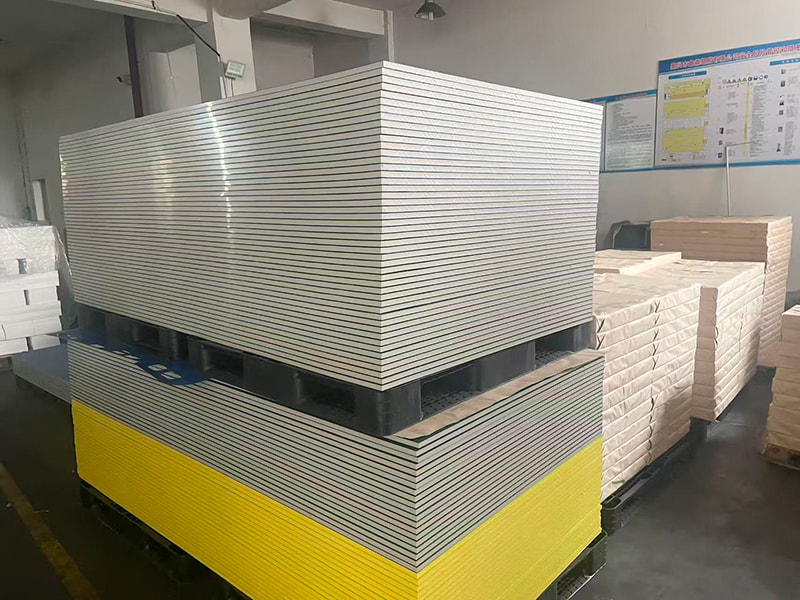
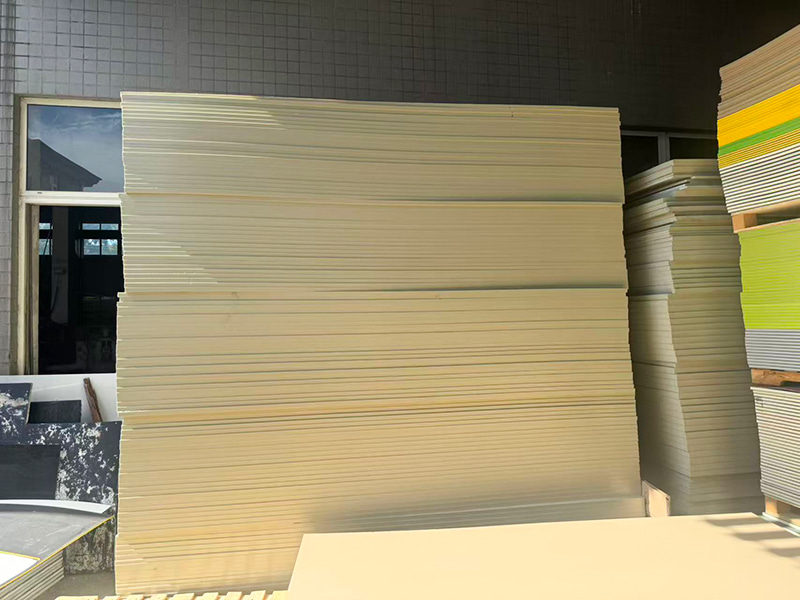
Outdoor engineering HDPE two-tone sandwich sheet is built from two layers of HDPE in contrasting colors fused into a single sandwich structure, with a distinct surface tone over a differently colored ...
-
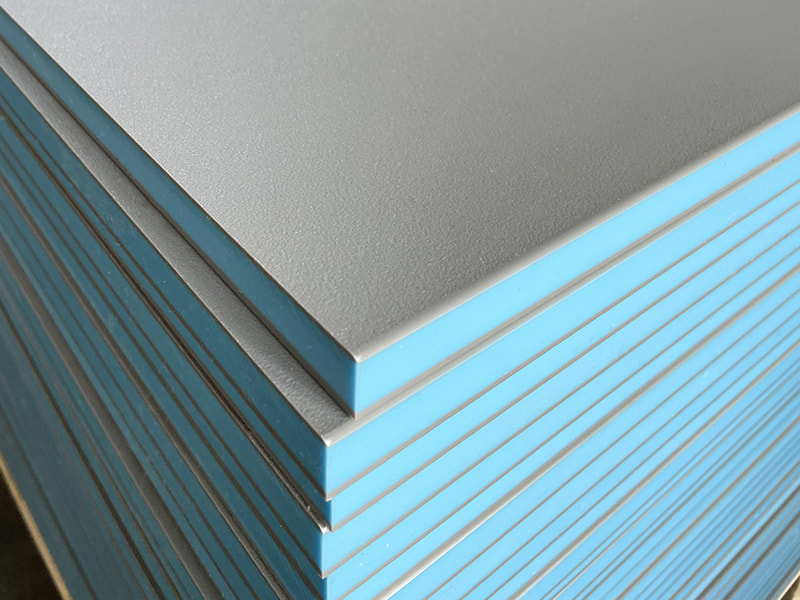
Children's Products Eco-friendly HDPE Two-Tone sandwich sheet is specifically developed for child-related products, combining two layers of contrasting-colored HDPE into a single sandwich structure wi...
-
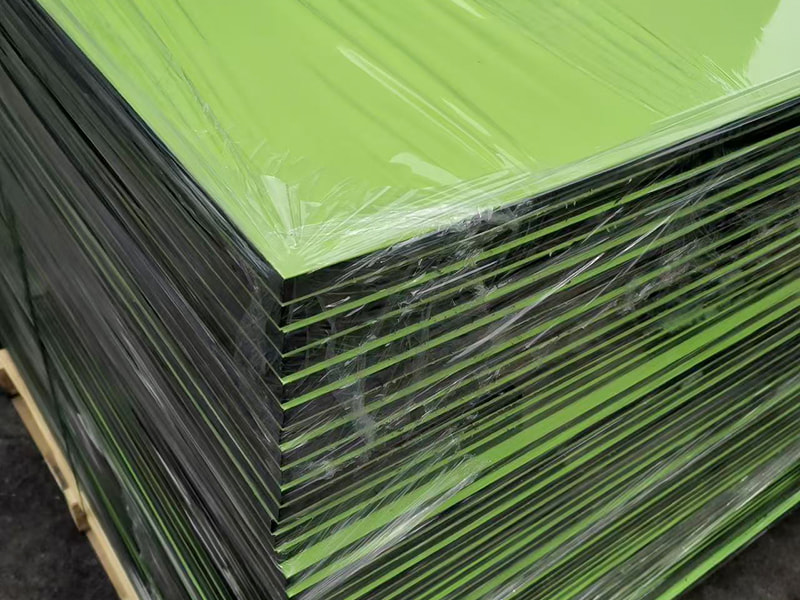
Indoor & Outdoor HDPE Flame-Retardant Dual-Color Sandwich Sheet builds on the standard dual-color sandwich structure by specifically reinforcing fire-retardant performance, allowing it to meet str...
-
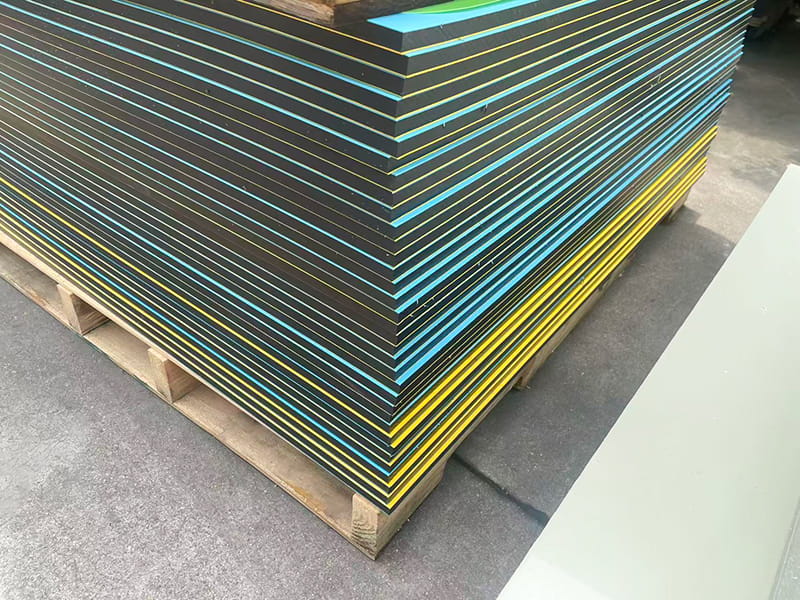
Amusement Facilities Child-Safe HDPE Tri-color sandwich Sheet is built from three layers of differently colored HDPE fused into a single specialized sandwich structure, allowing layered engraving or r...
Get In Touch
If you have any questions regarding, feel free to contact us at any time
-
 justin@xinsenplastic.com
-
 +86-13586463708
-
 Shenglong Industrial Park, Wangdian Town, Xiuzhou District, Jiaxing City, Zhejiang Province
Copyright © Jiaxing Xinsen Plastic Co., Ltd.
All Rights Reserved.
Plastic Sheets Manufacturers in China
