

 English
 Español
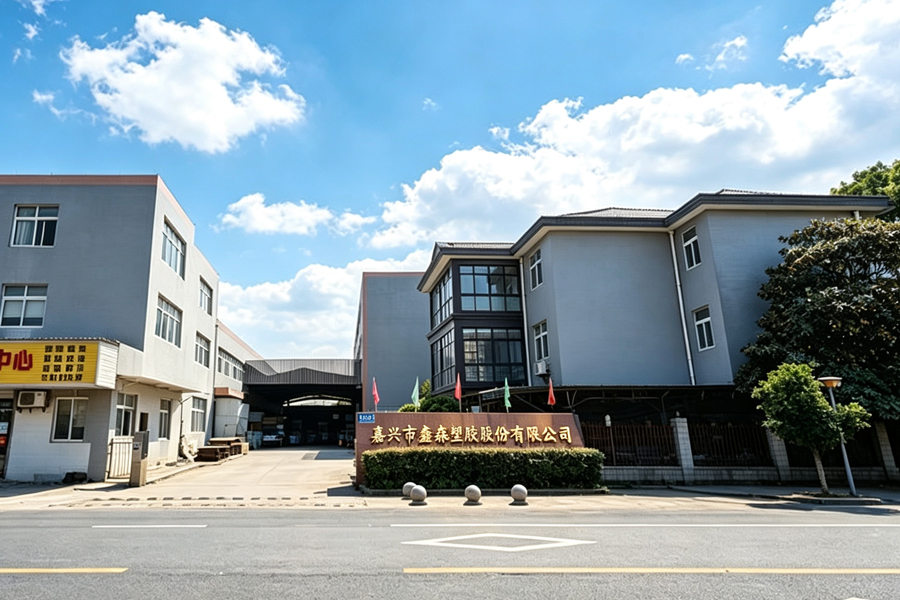
Founded in October 2001, our factory is a professional private manufacturer specializing in plastic sheet production. Located in Jiaxing, Zhejiang Province, a core city of the Yangtze River Delta, our plant sits at the geometric intersection of Shanghai, Hangzhou and Suzhou. We enjoy superior geographic location with convenient land and sea logistics access.
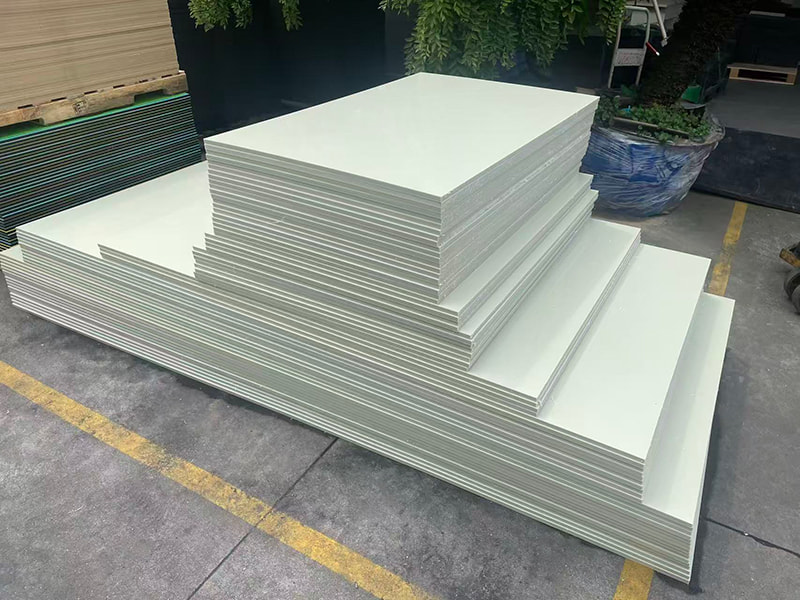
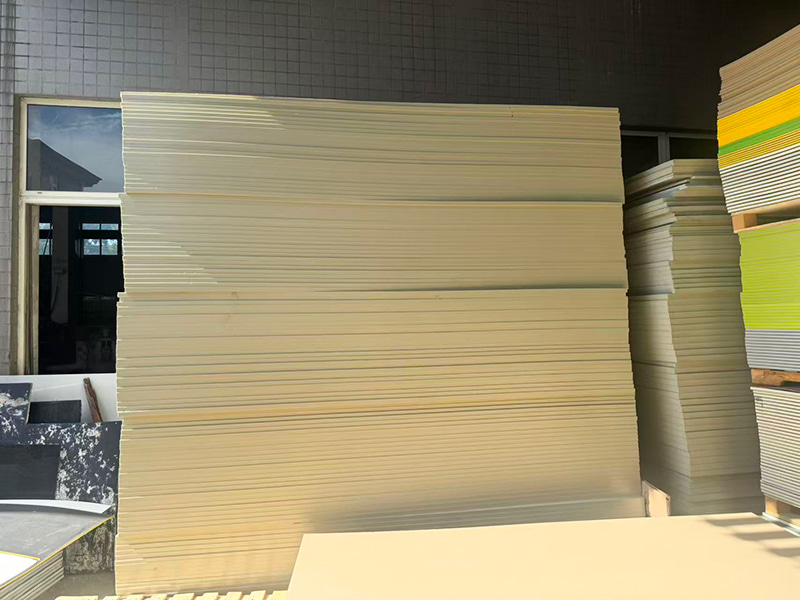
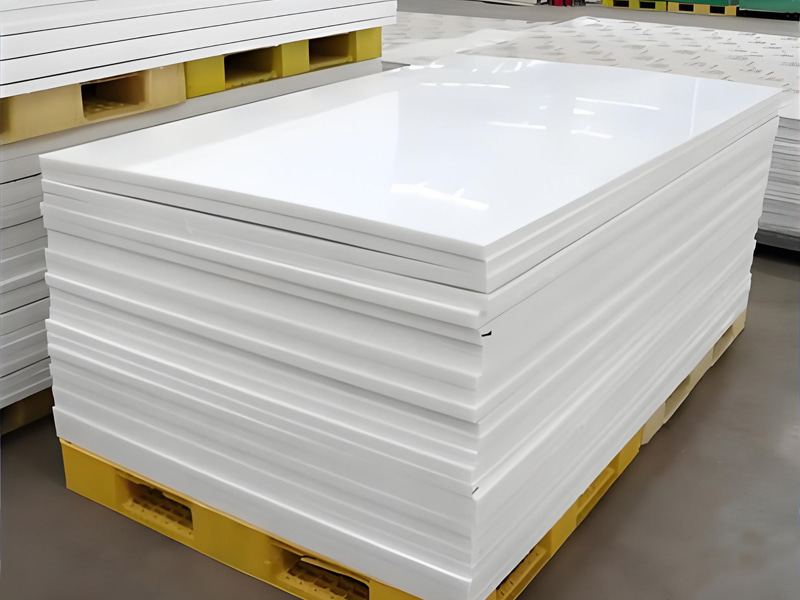
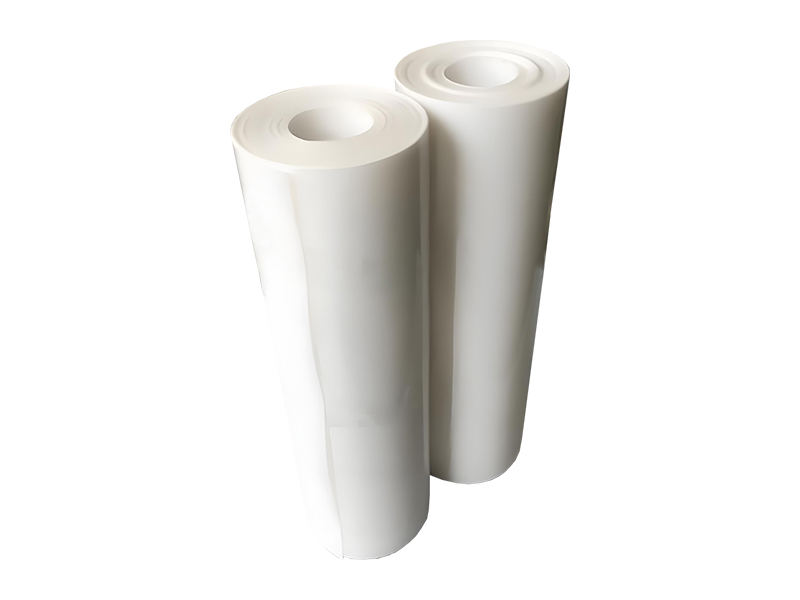
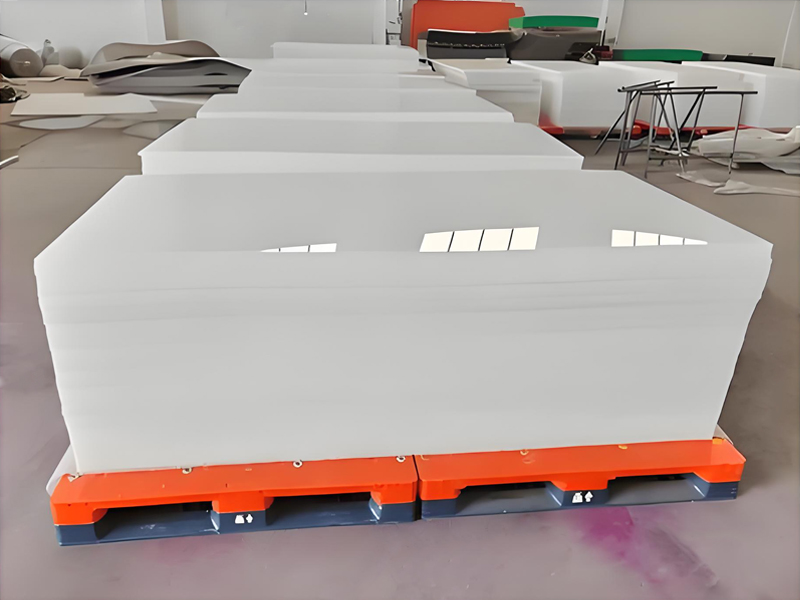
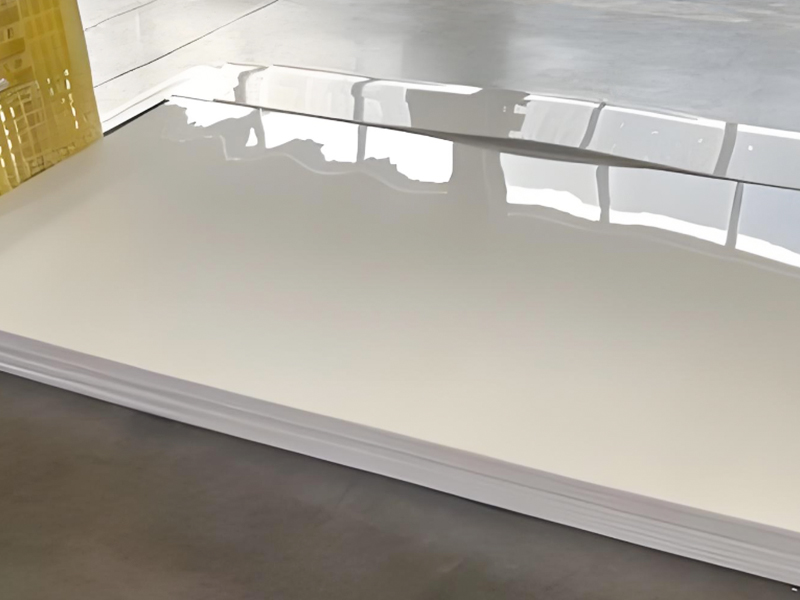
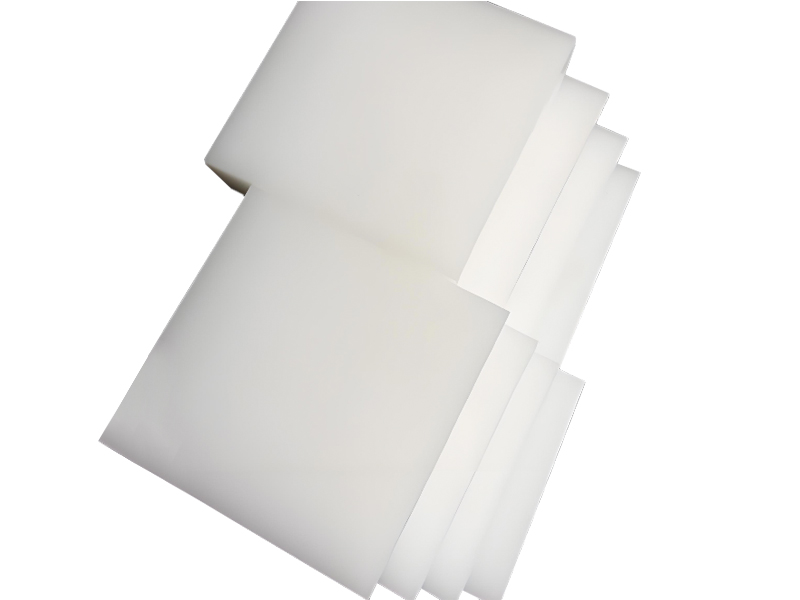
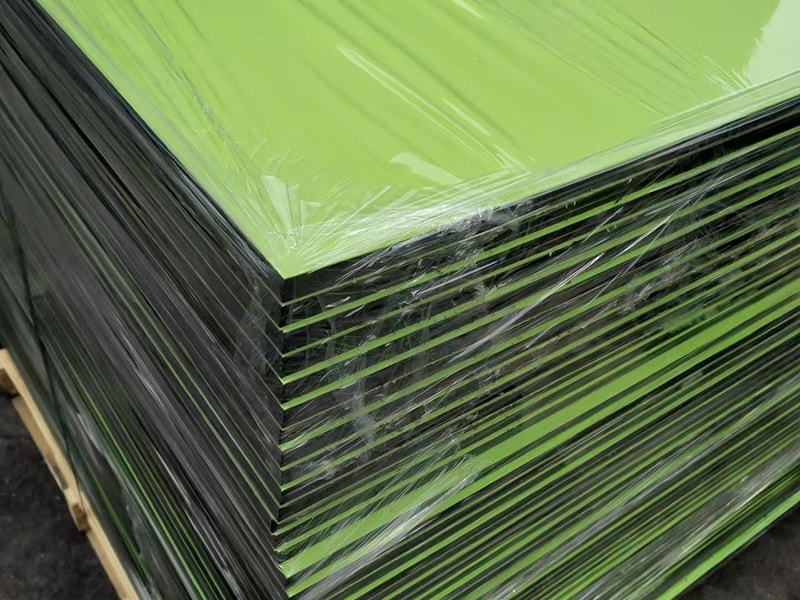
With over two decades of dedication to the plastic sheet industry, we boast strong R&D capabilities. We have assembled a professional technical team and invited many senior plastic industry specialists to conduct on-site research and development. We hold leading craftsmanship advantages in the R&D and mass production of PP sheets, modified PP sheets, HDPE sheets, LDPE sheets, ABS sheets and other plastic panels.
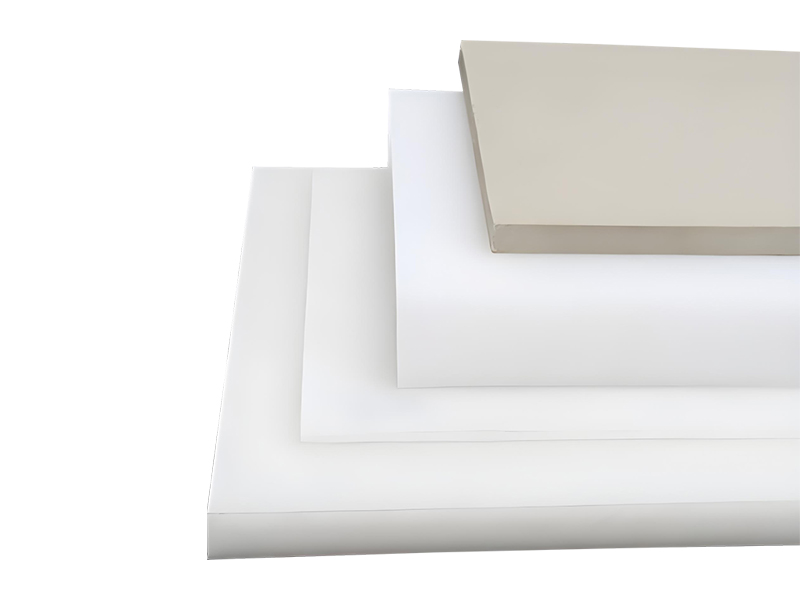
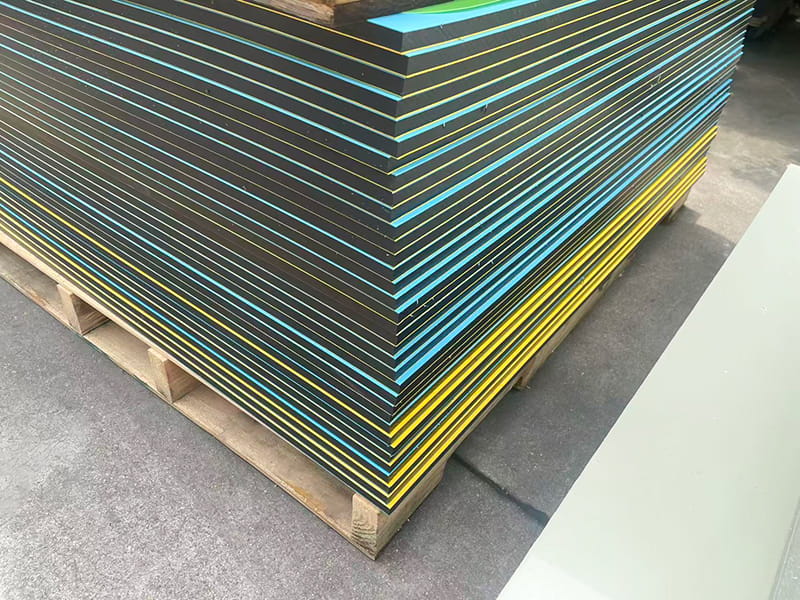
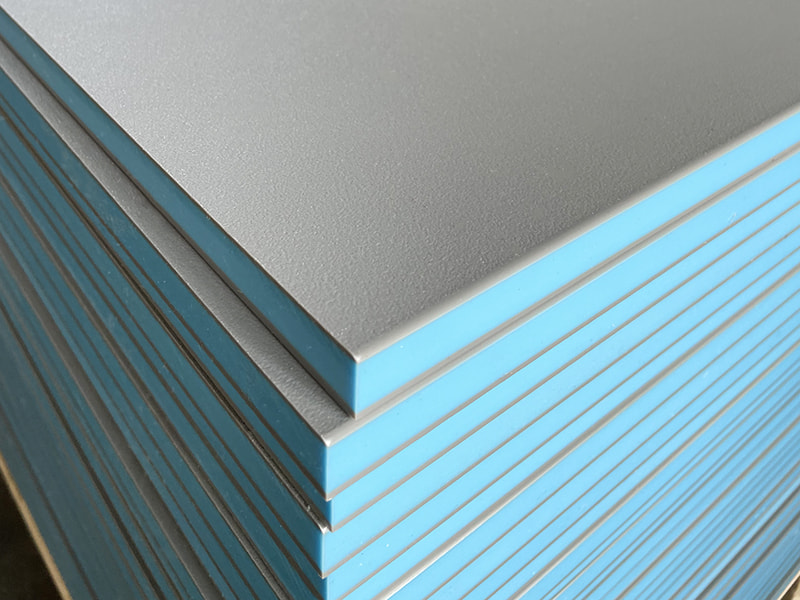
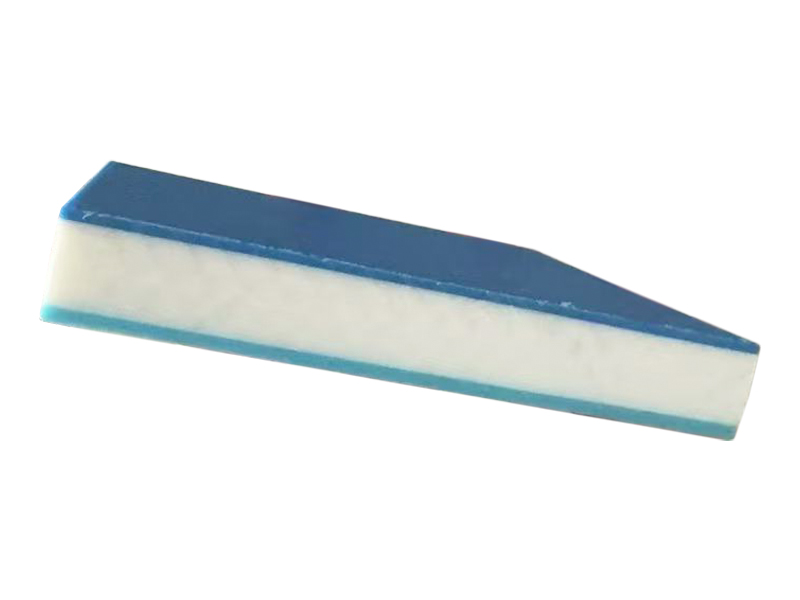
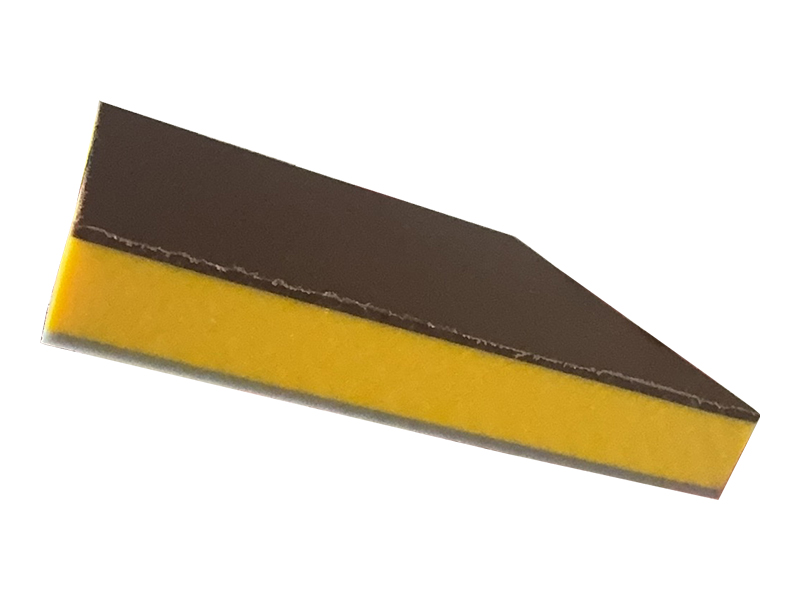
We provide full customization services covering all material types and specifications. We can develop two-color and three-color sheets as required, as well as single-sided and double-sided textured HDPE sheets to flexibly meet the diverse demands of clients. Our sales network spans across China, including mainland China, Hong Kong, Macao and Taiwan regions. Our products are also exported worldwide to North America, South America, Europe, Southeast Asia, Southern Africa and more. We have earned long-term trust from customers at home and abroad through consistent, reliable product quality.
With over two decades of dedication to the plastic sheet industry, we boast strong R&D capabilities. We have assembled a professional technical team and invited many senior plastic industry specialists to conduct on-site research and development. We hold leading craftsmanship advantages in the R&D and mass production of PP sheets, modified PP sheets, HDPE sheets, LDPE sheets, ABS sheets and other plastic panels.
We provide full customization services covering all material types and specifications. We can develop two-color and three-color sheets as required, as well as single-sided and double-sided textured HDPE sheets to flexibly meet the diverse demands of clients. Our sales network spans across China, including mainland China, Hong Kong, Macao and Taiwan regions. Our products are also exported worldwide to North America, South America, Europe, Southeast Asia, Southern Africa and more. We have earned long-term trust from customers at home and abroad through consistent, reliable product quality.